Give a child the chance of a healthy future.
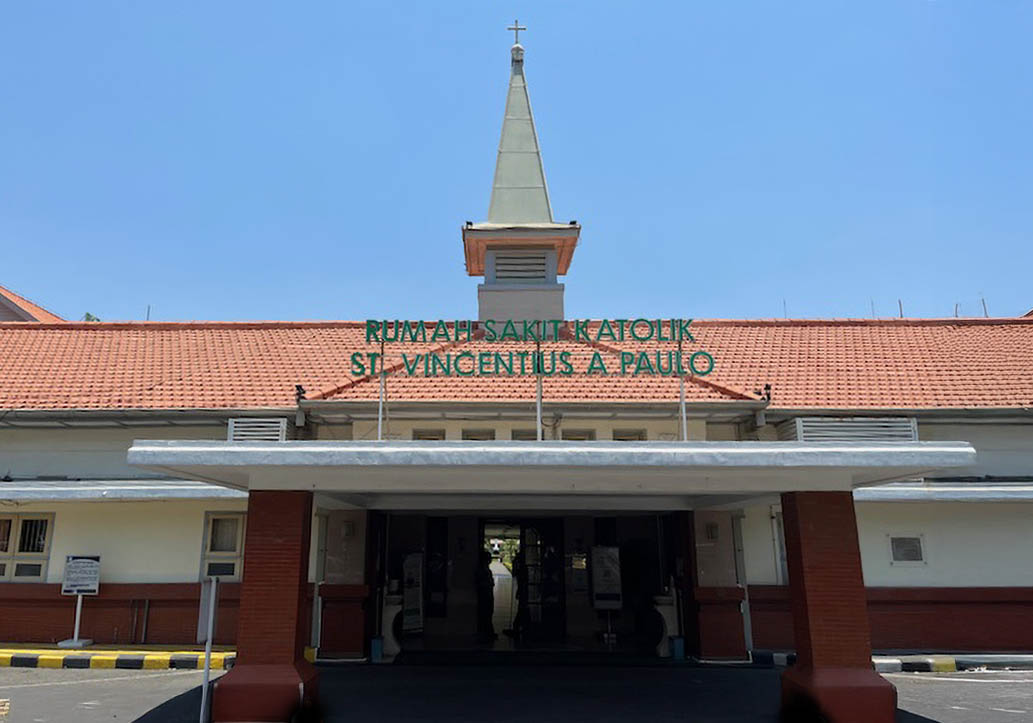
RKZ Surabaya is a large and historic Catholic hospital in Surabaya, East Java, Indonesia. The hospital dates back to the 1920s and was founded by the Catholic Church as part of its mission in the Dutch East Indies. On May 3, 1925 the first sisters of the Congregation of the Servants of the Holy Spirit (SSpS) arrived in Surabaya. They dedicated themselves to caring for the sick and vulnerable. Their commitment formed an important foundation for the hospital's development. This tradition of care and attention for those in need still lives on today.
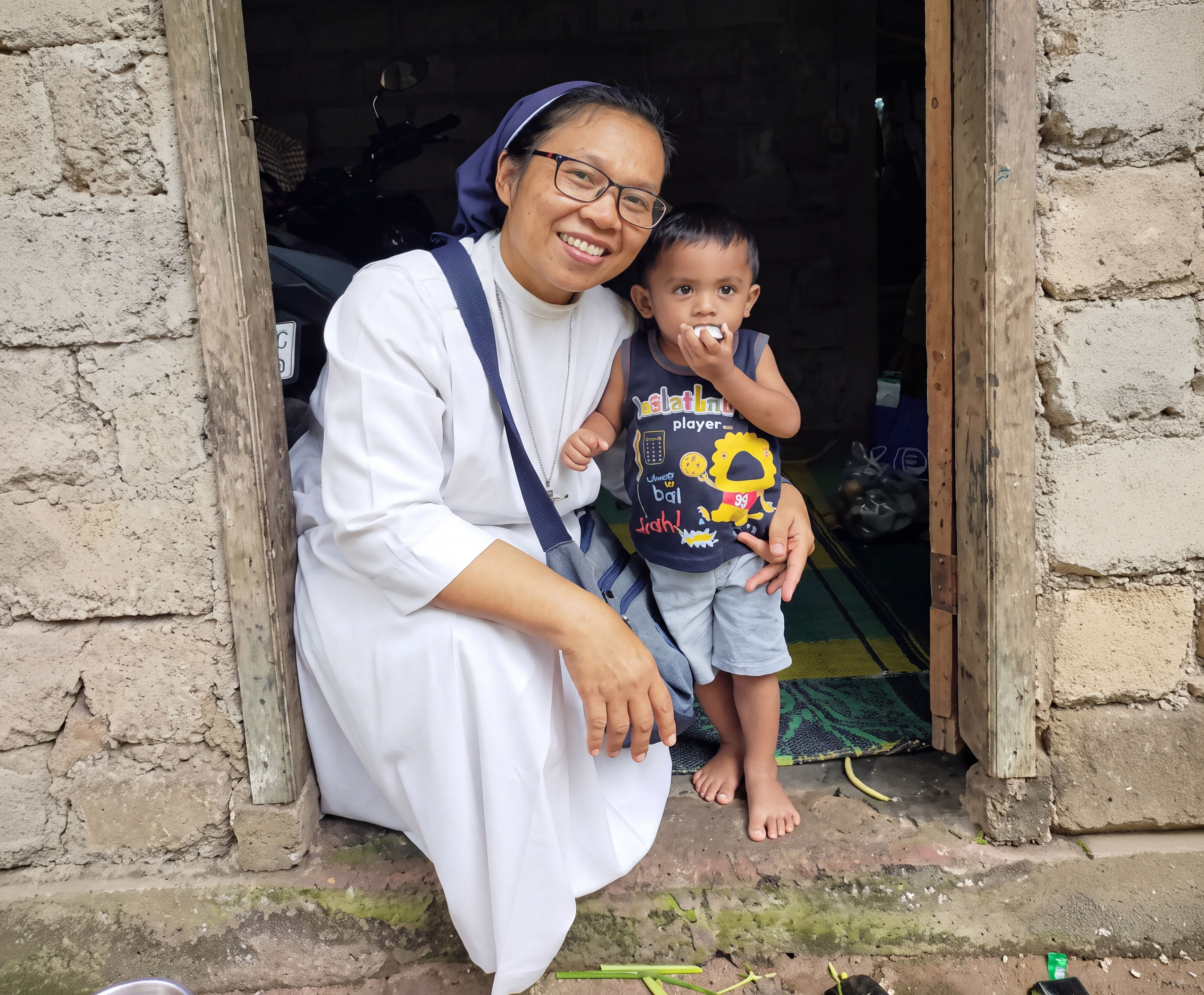
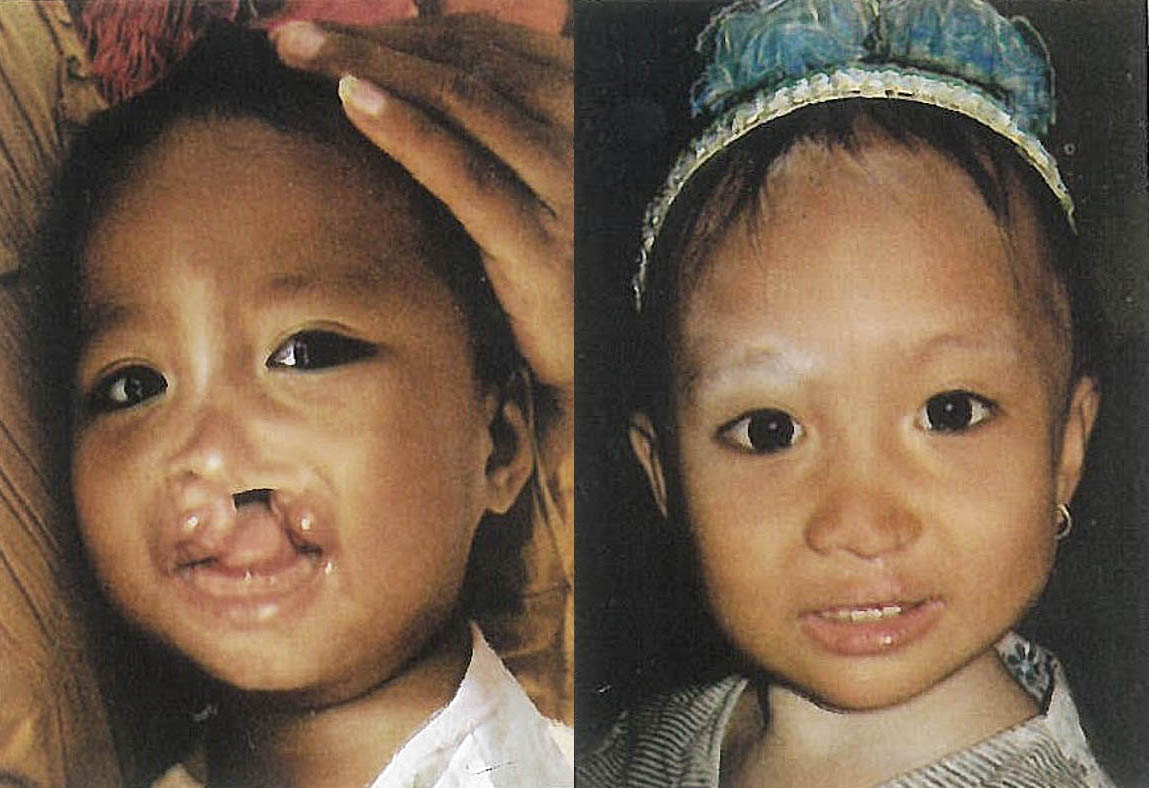
With your support, we can help children who might otherwise have no access to necessary surgery. A contribution can ensure that a child receives treatment, continues to develop, and regains hope for a healthy future. In recent years, we have funded surgeries primarily for children with elephantiasis, hydrocephalus, and cleft lips. Together, we can ensure that poverty is not a barrier to the medical care a child needs.
Help us and give a child in Surabaya the chance for a better future.
Children with this condition develop benign tumors, usually on the face or upper body, caused by an insect bite that was not treated in time. As a result, they are often severely disfigured and live as outcasts in their local communities.
Medical treatments for this condition are successful. Our foundation has established excellent agreements with the R.K. hospital in Surabaya, where the children are operated on and receive high-quality aftercare. The surgeon works pro bono. The only costs we cover are the hospital fees. There is an all-in rate of one thousand euros per child, regardless of the length of stay or the cost of medication. Typically, at least four weeks of hospital aftercare is required, during which parents are enabled to stay with their child. By Dutch standards, this all-in rate is very low. Donations make a life-changing difference; we are very grateful to have helped nearly one hundred children start a new chapter in their lives.

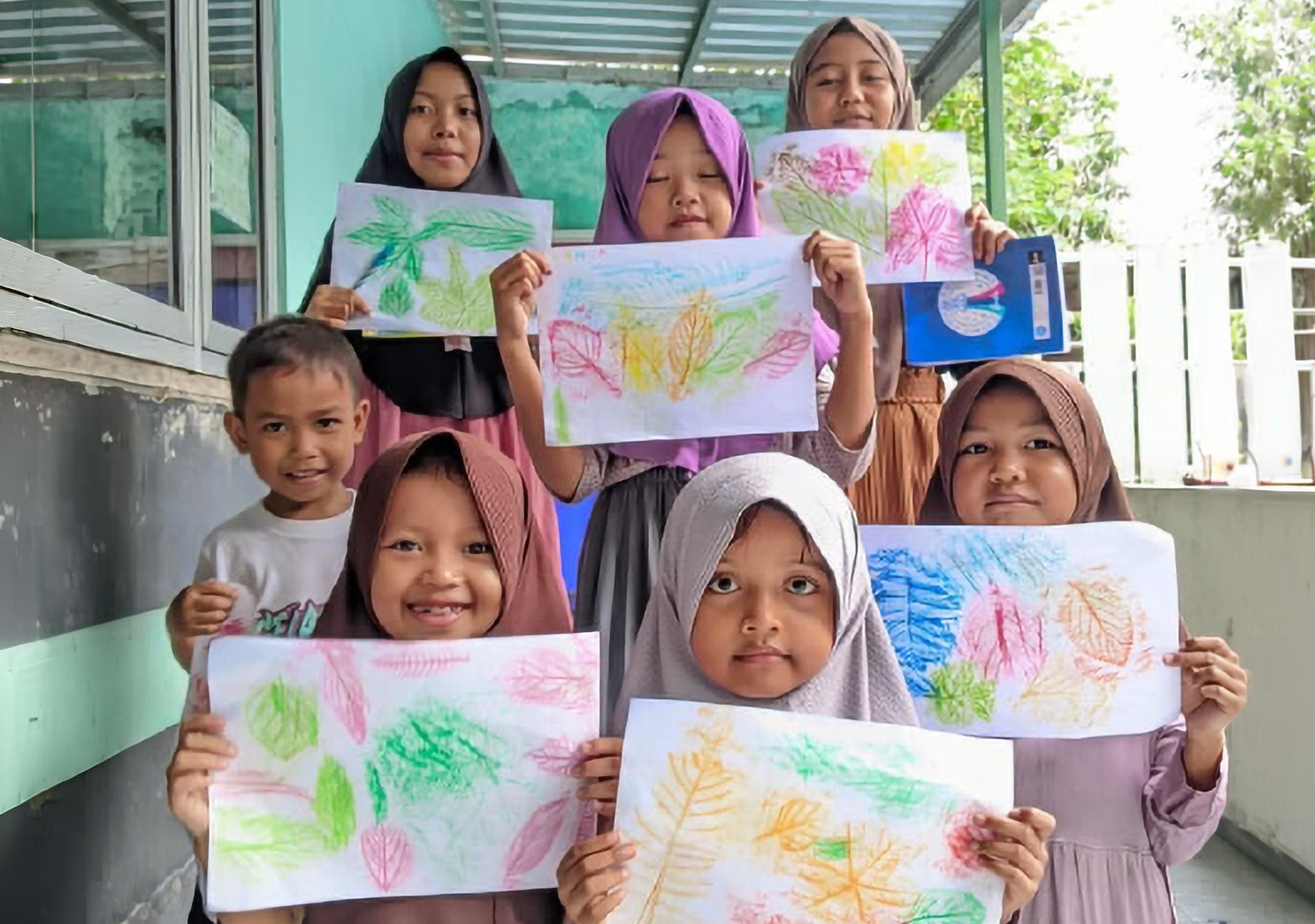
In recent years, children have been treated for hydrocephalus and cleft lip. The number of children with lymphatic filariasis in Indonesia is now much lower, likely due to better screening and timely treatment within the local community. The same, of course, applies to children with hydrocephalus and cleft lip as it does to those with lymphatic filariasis: they are incredibly happy with their new lives, returning to school and playing outside once again.